

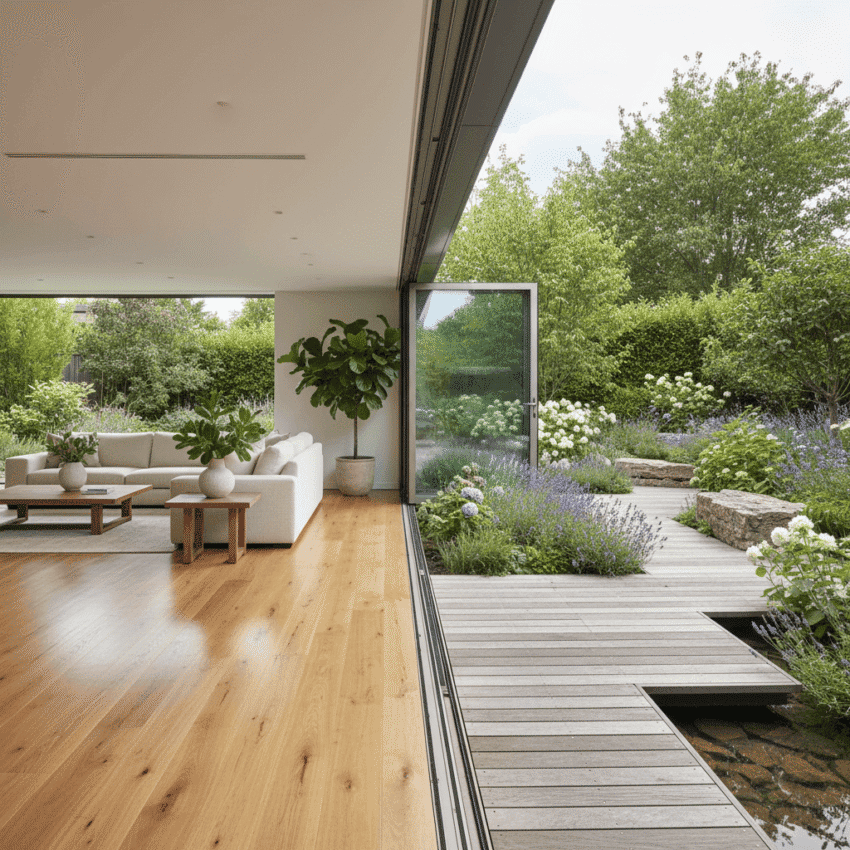
Bringing the beauty of your garden indoors creates a calming and connected living space. We often think of our homes as separate from the outside world, but this does not have to be the case. I find that when we blend these two environments, our living areas feel larger and more inviting. This thoughtful approach to design can truly enhance daily life for everyone in the home.
My work involves looking at how different elements come together to form a complete picture. Harmonizing hardwood floors with garden landscapes is about more than just aesthetics. It is about creating a sense of peace and natural flow. I will share some practical steps and design insights to help you achieve this unique harmony.
Creating a Seamless Visual Transition Between Inside and Out
The goal is to blur the lines between your hardwood floors and the lushness of your garden. I like to start by considering the pathways and sightlines from inside your home. Think about what you see when you look out your windows. Does the view feel like an extension of your indoor space or a separate scene entirely? We want to bridge that gap.
One effective method involves using similar materials or colors in both areas. For instance, if your hardwood floors have warm, earthy tones, select paving stones or gravel with similar hues for your garden paths. This creates a visual bridge that guides the eye smoothly from one area to the next. I have seen this work wonders in smaller homes too, making them feel much more expansive.
Designing Entrances and Patios for Flow
Entrances and patios are key areas for connecting indoor outdoor design. When planning these spots, consider continuity. For example, a French door or large sliding glass door opens up a room to the outside, inviting the garden in. The flooring transition at these doorways should be as subtle as possible.
You can use a threshold that matches the hardwood or opt for a stone that complements both the indoor and outdoor palettes. This small detail makes a big difference in how connected the spaces feel. I advise against sharp contrasts in materials right at the doorway. Instead aim for a gentle shift.
Choosing Hardwood Finishes That Complement Nature
The type of finish on your hardwood floors plays a major role in its connection to the natural world. I always recommend finishes that allow the wood’s natural grain and color to show through. This helps avoid a synthetic or overly polished look that clashes with organic garden elements.
Matte or satin finishes are often best because they mimic the softer sheen found in natural wood outdoors. High-gloss finishes can reflect too much light and feel less organic. I also suggest considering engineered hardwood in spaces that might experience more temperature fluctuations near large windows, as it offers greater stability than solid wood.
Selecting the Right Wood Tones
When selecting wood tones, think about the dominant colors in your garden. If you have a lot of deep green foliage, lighter woods like maple or white oak can create a fresh contrast. If your garden features warm earth tones or reddish flowers, a cherry or red oak floor might be more appropriate. I often find that mid-range brown hardwoods work well universally, as they echo the color of soil and tree trunks. They provide a grounding base for both indoor decor and outdoor views.
Avoid highly stained or painted woods if you want a natural aesthetic. The goal is to let the wood breathe and highlight its inherent beauty. We want our floors to feel like they grew right out of the landscape.
Bridging Spaces with Thoughtful Color and Texture
Color and texture are powerful tools for creating harmony between your hardwood floors and garden. I often suggest carrying a similar color palette from indoors to outdoors. For instance, if your interior design features soft greens, bring those shades into your garden through plant choices or outdoor cushions. This creates a visual dialogue.
Using natural textures indoors also helps. Think about incorporating woven rugs, linen fabrics, or raw wood furniture. These elements echo the organic textures of your garden, making the transition feel smooth. I find that repetition of these natural cues is very effective. We want to avoid anything too artificial or jarring.
Using Soft Furnishings to Link Environments
Soft furnishings like throw pillows and blankets can subtly link your indoor and outdoor spaces. Choose patterns that feature botanical motifs or colors found in your garden. A leaf-print pillow on your sofa can tie into the actual leaves outside your window. This connection is not just about matching. It is about creating a feeling of continuity.
I also like using materials that can withstand both indoor and outdoor conditions, such as certain types of cotton or synthetic blends. This allows you to easily move cushions or decor items between spaces, reinforcing the idea of a single, flowing environment. Our aim is to create an experience where the garden feels like another room in your home.
Integrating Greenery Inside for a Continuous Feel
Bringing plants indoors is perhaps the most direct way to harmonize your hardwood floors with your garden landscape. I encourage clients to strategically place houseplants that complement their outdoor plants. This creates a living connection that is both beautiful and refreshing.
Consider placing large potted plants near windows or glass doors. This helps frame the outdoor view and makes the transition from hardwood to garden appear seamless. I have found that varying heights and textures of indoor plants adds depth and interest. This makes the indoor space feel more alive.
Choosing the Right Indoor Plants
When selecting indoor plants, think about their scale and how they relate to your hardwood floors. Tall, slender plants like Fiddle Leaf Figs or Birds of Paradise can draw the eye upward, mimicking trees outside. Smaller, bushy plants like ferns or peace lilies can fill in lower spaces, similar to ground cover in a garden.
Make sure to choose plants that thrive in your indoor lighting conditions. It is important for their health and for maintaining the vibrant look you desire. We want healthy, happy plants that contribute to the overall feeling of natural harmony.
Lighting Strategies to Blend Environments
Lighting plays a critical role in how connected your indoor and outdoor spaces feel, especially during the evening hours. I always advise thinking about lighting as a continuous element, from the warm glow of your interior to the subtle illumination of your garden. The right lighting can extend the perceived boundaries of your home.
Inside, use warm LED bulbs that emit a soft, inviting light, similar to natural sunlight. Outside, strategically place landscape lighting to highlight key features of your garden, like a beautiful tree or a winding path. This draws the eye out and makes the garden feel accessible and part of the home even after dark.
Balancing Indoor and Outdoor Illumination
The trick is to balance the intensity of your indoor and outdoor lighting. You do not want the outdoor lighting to overpower the indoor ambiance, nor do you want the inside to feel like a harsh spotlight compared to the gentle garden. I often suggest dimmer switches for indoor lights and adjustable outdoor fixtures. This allows you to fine-tune the mood.
Consider using lights that cast interesting shadows on your hardwood floors, mimicking the dappled light of a tree canopy. We are aiming for an experience that feels organic and fluid. This attention to detail transforms both spaces.
Practical Considerations for Indoor-Outdoor Flow
Achieving a harmonious blend also means thinking about practical aspects like maintenance and durability. Hardwood floors, while beautiful, require care. If you are creating a strong indoor-outdoor link, anticipate bringing in more dirt and moisture from the garden. I advise using durable hardwood finishes that can withstand traffic and occasional spills. Selecting materials that clean up easily will save you time and effort.
For high-traffic areas leading to the garden, consider placing attractive rugs or doormats. These can trap dirt and moisture before it reaches your main hardwood areas. We want our design to be beautiful, but also functional and easy to live with. This keeps the magic alive without creating extra chores.
Protecting Your Hardwood Floors Near Garden Entrances
Protecting your hardwood floors where they meet the garden is essential for long-term enjoyment. I recommend using robust mats both inside and outside main entry points. These mats should be large enough to allow a few steps, which helps wipe off shoes effectively. Consider also adding a boot tray for muddy footwear.
Additionally, ensure that any potted plants brought indoors have proper drainage trays underneath them. This prevents water rings and moisture damage to your beautiful hardwood. A little foresight in these areas goes a long way in preserving the integrity and appearance of your floors.
Harmonizing Hardwood Floors with Garden Landscapes
Harmonizing hardwood floors with garden landscapes is about creating a holistic living experience. It involves a careful balance of visual continuity, thoughtful material choices, and strategic placement of elements. We began by exploring seamless visual transitions, understanding how to blur the lines between inside and out with complementary paths and open doorways. We then looked at choosing hardwood finishes and tones that resonate with natural textures and garden colors. I emphasized the importance of matte or satin finishes to maintain an organic feel and selecting wood hues that echo your garden’s palette.
Next, we delved into using color and texture as bridges, suggesting natural furnishings and botanical patterns to link the environments. Integrating greenery inside, with carefully chosen plants near windows, further enhances this connection. Lighting strategies also received attention, focusing on creating a balanced, warm glow that extends the living space into the evening garden. Finally, we discussed practical considerations for maintaining your hardwood floors, like durable finishes and protective mats, ensuring your beautiful design remains functional. By taking these steps, you can create a home that truly feels like an extension of nature. I encourage you to begin experimenting with these ideas in your own space and see how much more connected and serene your home becomes. This thoughtful design process truly brings the peace of the outdoors right into your daily life.